
If you’ve been training seriously for any length of time, you’ve probably hit a wall. Maybe your strength has plateaued, or you’re not recovering the way you used to. Maybe you’re putting in the work but not seeing the results you expect. It’s frustrating, but it’s more common than you might think.
Training is only one piece of the puzzle. If you’re not approaching nutrition and recovery with the same intention, you’re leaving results on the table. If those three elements aren’t coordinated by a single team that understands how they interact, you’re not just leaving results on the table. You’re risking injury, burnout, and frustration.
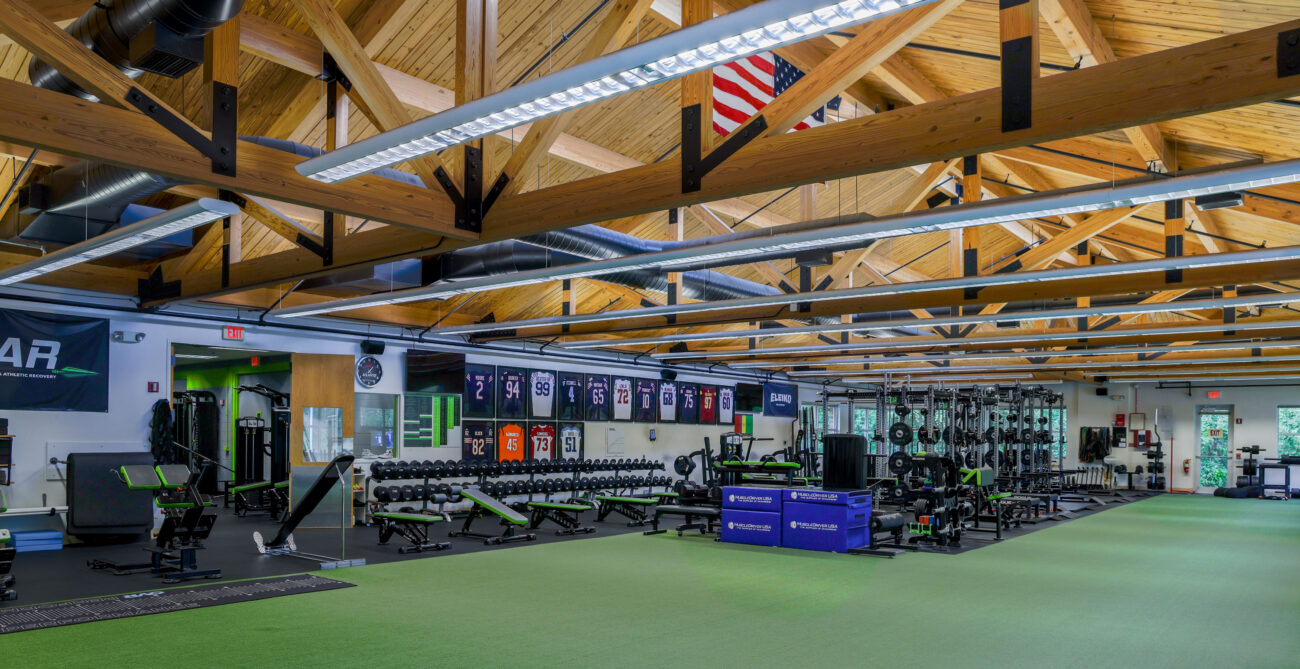
At SPEAR Training Center, we’ve built our entire approach around integration. Training, nutrition, and recovery aren’t separate services we offer. They’re part of one system, and that’s what separates us from facilities that treat them as add-ons.
This post explains why integrated training, nutrition, and recovery matter, what it looks like in practice, and how to tell whether your current program is actually delivering it.
The Problem With Piecemeal Approaches
A lot of athletes piece together their own support system. They have a trainer at one gym, a nutritionist they found online, and a massage therapist they see when something hurts. On the surface, it seems like they’re covering all the bases.
But the problem is those professionals aren’t talking to each other. They don’t know what the others are doing. Sometimes, their advice conflicts.
Your trainer might be pushing you through high-volume strength work while your nutritionist has you in a calorie deficit that makes recovery impossible. Your massage therapist might be working on an area that your trainer is intentionally loading. Nobody’s looking at the whole picture.
That is why athletic training, recovery, and nutrition have to be coordinated. The body doesn’t operate in silos. Training stress affects nutritional needs. Nutritional status affects recovery. Recovery affects how well you can train. It’s all connected.
When one piece is out of sync, everything suffers. When all three work together, the results can be dramatic.
How Training, Nutrition, and Recovery Interact
Let’s break this down. Training creates stress that signals the body to adapt and get stronger. But adaptation doesn’t happen during training. It happens during recovery. If you’re not recovering properly, you’re not adapting. You’re just accumulating fatigue.
Nutrition fuels recovery. Protein supports muscle repair. Carbohydrates replenish glycogen stores. Micronutrients support immune function and tissue healing. If you’re not eating enough of the right things at the right times, your body can’t recover from training. It’s that simple.
Recovery modalities like Fascial Stretch Therapy, cupping, and Normatec compression can speed up recovery. They help reduce soreness, improve circulation, and restore mobility. But they work best when they’re programmed strategically.
At SPEAR, we think about all of this together. When we design a training program, we’re also thinking about what the athlete needs to eat and how they need to recover. It’s one plan, not three separate ones.
What Integrated Programming Actually Looks Like
Let’s make this concrete. Here’s an example of what a week might look like for an athlete training at SPEAR:
- Monday is a heavy strength day. We’re loading the major movement patterns and pushing intensity. That session creates significant training stress.
- Tuesday is a recovery day. The athlete comes in for a light mobility session and maybe some time on the Normatec boots. We’re facilitating recovery from Monday’s session.
- Wednesday is a power development day. We’re working on explosive movements and speed. This requires the athlete to be recovered from Monday, which is why Tuesday’s recovery session mattered.
- Thursday is another recovery and nutrition check-in. We review how the athlete is feeling, adjust the plan as needed, and make sure their nutrition supports the workload.
- Friday is a sport-specific session. We’re applying the strength and power developed earlier in the week to movements that translate directly to competition.
Throughout the week, nutrition is dialed in. We make sure the athlete eats enough protein to support repair, enough carbohydrates to fuel training, and enough micronutrients to support overall health. We use supplementation strategically to fill gaps, not as a replacement for real food.
This is what integrated programming looks like. Every piece is connected, and every decision is informed by what’s happening in the other areas.
The Role of Body Composition Analysis
You can’t manage what you don’t measure. That’s why body composition analysis is a core part of our integrated approach.
We use tools like the InBody scanner to track muscle mass, body fat percentage, and other metrics. This data informs both training and nutrition decisions.
If an athlete is losing muscle mass, we know we need to adjust their nutrition or their training volume. If body fat is creeping up, we know we need to look at their calorie intake and activity levels. If everything is trending in the right direction, we know the plan is working.
This kind of objective feedback is invaluable. It takes the guesswork out of programming and helps athletes stay on track.
Why Recovery Is Programmed, Not Just Offered
A lot of facilities offer recovery services, but offering them isn’t the same as programming them.
At SPEAR, recovery is built into the plan. We don’t wait for an athlete to complain about soreness before we suggest a recovery session. We schedule recovery proactively based on the training load.
Jeff McCoy, our co-owner and manual therapist, leads our recovery efforts. He’s a former Division I football player with a Master’s degree in Athletic Coaching Education. His expertise in Fascial Stretch Therapy and corrective exercise allows him to identify areas that need attention before they become problems.
When recovery is programmed, athletes stay healthier. They train more consistently and make better progress.
Nutrition Coaching That Supports Performance
Nutrition is where a lot of athletes fall short. They train hard, but they don’t eat in a way that supports their goals. Maybe they’re not eating enough, they’re eating the wrong things, or they’re relying on supplements to make up for a poor diet.
Our nutrition coaching can fix that. We work with athletes to build sustainable habits that support performance. We don’t do crash diets or extreme protocols. Our team builds plans that fit the athlete’s lifestyle and goals.
Jonathan Sicora, our co-owner and Poliquin Level 5 Master Strength Coach, has deep training in nutrition and supplementation. His expertise informs our approach, which is grounded in science and tailored to the individual.
Bringing It All Together
Integrated training, nutrition, and recovery isn’t just a philosophy. It’s a practical approach that produces results. When training, nutrition, and recovery are working together, athletes get stronger, recover faster, and stay healthier.
Athletes from throughout Lake County sports training programs and the North Shore athletic training community come to our facility in Vernon Hills because they can’t find this level of integration anywhere else. They’ve tried piecing things together on their own. They’re ready for a better way.
If you’re ready to experience what integrated training, nutrition, and recovery actually looks like, call us at 847-383-5719. We’d love to talk about your goals and build a plan that addresses all three.